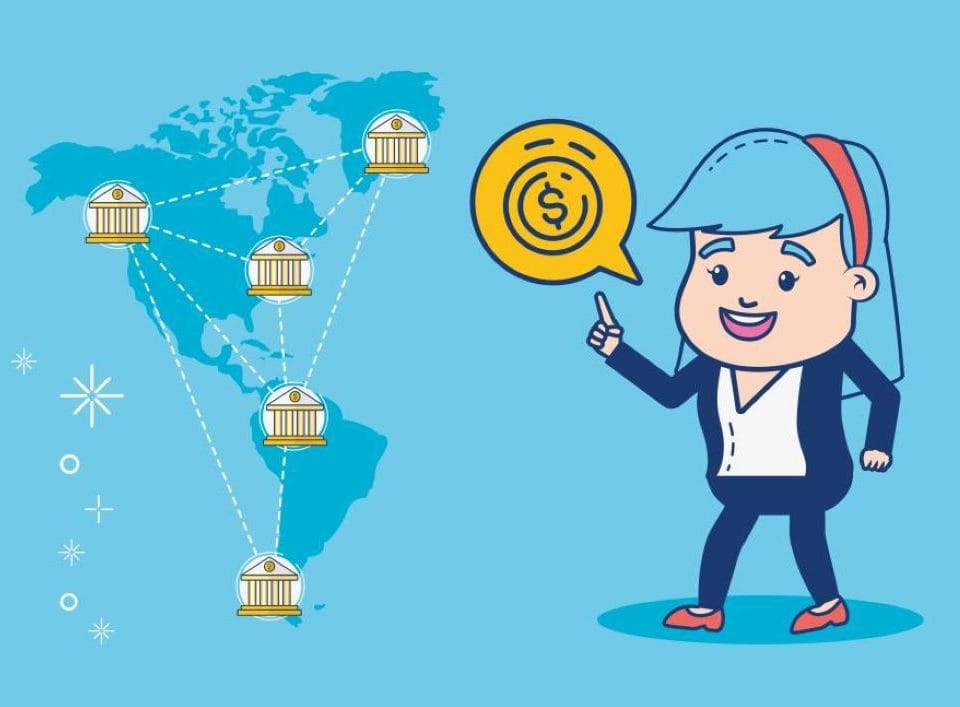
Tax debt can significantly have an impact on marriage, depending on where you live, whether you are getting married, already married, or thinking about getting married. Once you take the plunge, you must carefully consider filing taxes. The first basic question to answer to solve this puzzle is whether you reside in a state with Community Property Law or Common Law.
The 42 states that make up the Common Law States (CL) are primarily located in the Midwest and on the Eastern Seaboard. This anomaly in the west is Oregon.
Common Law (CL) states allow married couples to lead separate financial lives since they are regarded as “separate entities.” The following circumstances are impacted by marriage in CL states:
Tax Debt Before Marriage: Are you trying to find a spouse in a CL state who has tax issues? This isn’t very problematic because your spouse can take care of his tax problem without your financial situation interfering with the outcome. In other words, even if you are a high earner or brought a house into the marriage, he may still be eligible for an Offer in Compromise to pay his taxes if he earns little. However, you may want to wait to put him on the title.
Filing: You can report your income and her income exactly as they are, but you will pay a higher tax rate if you file separately.
Tax Debt After Marriage: Your spouse may handle any tax debt they may have after you get married. Although you technically “aren’t liable” for your spouse’s taxes (if filing separately), you may need to submit your financial information so that his or her share can be accurately calculated for the Offer in Compromise analysis.
Arizona, California, Idaho, Louisiana, Nevada, New Mexico, Texas, and Washington are the eight states that have Community Property Law (CPL).
Marrying someone in a state with Community Property Law (CPL) puts you in a much more complicated financial situation. You owe him money. Your assets are his assets. Your income is his, and his is yours. The following circumstances are impacted by marriage in CPL states:
Tax Debt Before Marriage: Are you trying to find a spouse in a CPL state who has tax issues? WARNING: This might be a significant issue, more so for the tax-debtor spouse than for the non-debtor. For instance, you might not be eligible for an Offer in Compromise (OIC) if you have tax issues and you marry a high earner. (Although pre-marriage assets may technically be regarded as “out-of-play” in OIC analysis and tax resolution, both jointly created assets and community property income must be reported. It should be mentioned that you can usually avoid having your taxes garnished for premarital tax debts owed by your spouse; however, you will have to reveal your income to settle the tax debt in an installment agreement or OIC.)
Filing: In a CPL state, filing separately (MFS) is particularly problematic because tax preparers are required to report income 50/50, even if the spouse earns 90% of it. However, many tax preparers are convinced to avoid the 50/50 rule because it is difficult to get information from an uncooperative spouse, and they may still be audited. Additionally, you technically owe both your debt and his debt because of the CPL rule if there is a tax liability (made more burdensome by MFS rules).
Owing Taxes After Marriage: In a CPL state, it’s fairly straightforward to determine the appropriate resolution of your case if you owe taxes after marriage. This will involve examining both your assets and income. No splits.
 May I help you?